
How a reverse trade mission and proven agricultural market development programs are helping connect American hemp producers with international textile buyers.
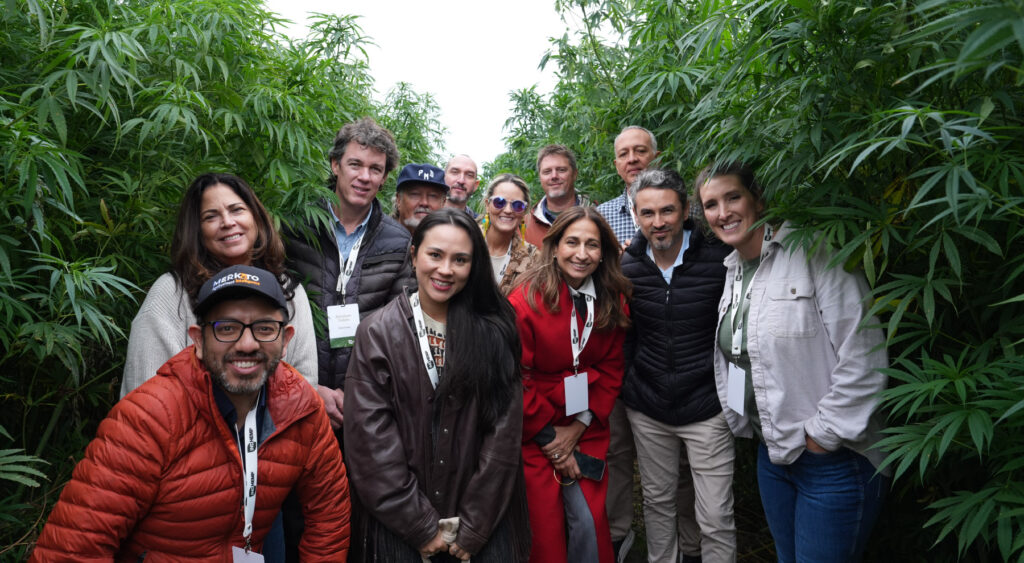
This fall, eight textile industry professionals from Colombia traveled to Montana to see first-hand what American-grown hemp fiber has to offer. Their visit was part of a Reverse Trade Mission (RTM) made possible through the support of two industry organizations using funding mechanisms that have helped other American agricultural commodities build markets for decades.
Hemp Education and Marketing Initiatives (HEMI) sponsored a portion of the mission using funds awarded through the Montana Department of Agriculture’s hemp checkoff program; while The National Industrial Hemp Council (NIHC) also provided sponsorship, leveraging funding secured through programs administered by USDA’s Foreign Agricultural Service (FAS) program.
Both organizations recognized the value of bringing prospective international buyers directly to American hemp producers and processors, helping connect our growing domestic supply with established manufacturing capabilities and new commercial markets.
Connecting Investment with Market Opportunities
At IND HEMP, one of our longstanding strategic priorities has been building the value chains necessary to turn Montana-grown hemp into high-value, commercially viable products. The textile industry has been an especially exciting area of focus.
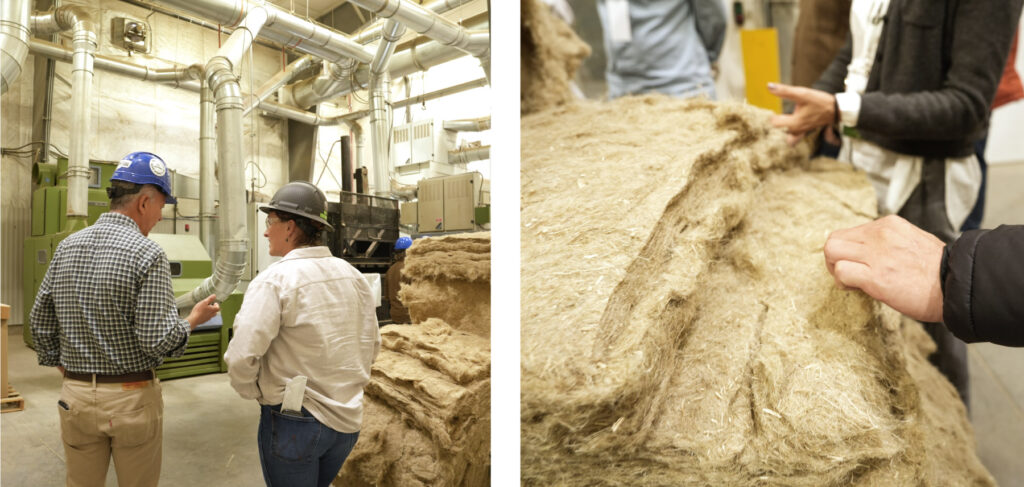
We’ve recently shared progress on our capital investments, including newly installed and commissioned equipment to produce spinnable-grade hemp fiber. But the work to develop demand further down the supply chain, both domestically and internationally, started long before that equipment was installed.
As it happened, commissioning of our new fiber refining equipment was completed just in time to welcome a delegation of Colombian textile industry professionals for a Reverse Trade Mission that had been months in the making.
With the help of our partners at Merkato Agribusiness Intelligence, who have been instrumental in helping us navigate international markets and develop commercial relationships throughout Latin and South America, we assembled a well-qualified delegation representing key segments of Colombia’s textile industry.
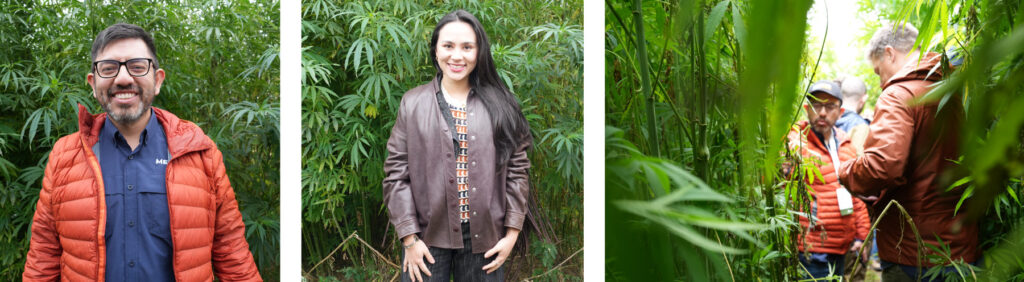
The group included spinning and weaving professionals, garment manufacturers, distributors, and a government representative tasked with developing new opportunities for the country’s textile sector.
The objective was straightforward: bring experienced textile professionals directly to the source of American-grown hemp fiber, demonstrate our capabilities, and explore how we could work together to develop new commercial products and markets.
Connecting the Montana Hemp Supply Chain
This Reverse Trade Mission was about more than supporting IND HEMP’s business. We wanted to use this opportunity to create value across Montana’s hemp supply chain, connecting farmers, processors, manufacturers, and retailers.
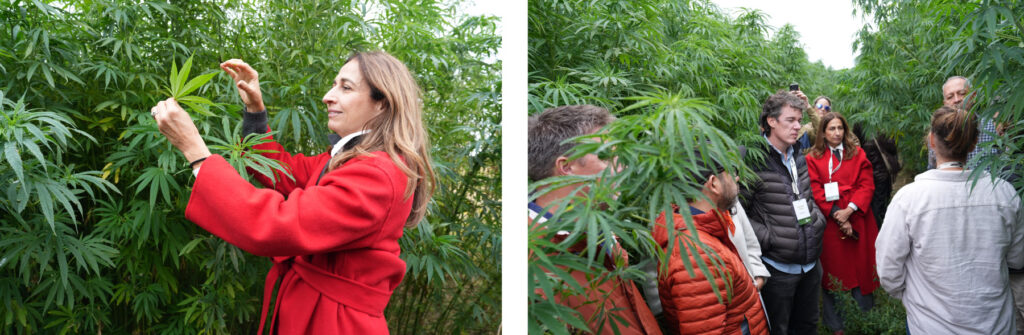
The delegation experienced that supply chain firsthand, walking through a Montana hemp field, meeting our processing team, and watching spinnable-grade fiber come off our newly installed refining line. We even enjoyed a little Montana hospitality over lunch at the home of IND HEMP’s CEO.
But an equally important stop was North 40 Outfitters, another Montana business whose in-house apparel brand, Smith & Rogue, already features hemp garments in its lineup.
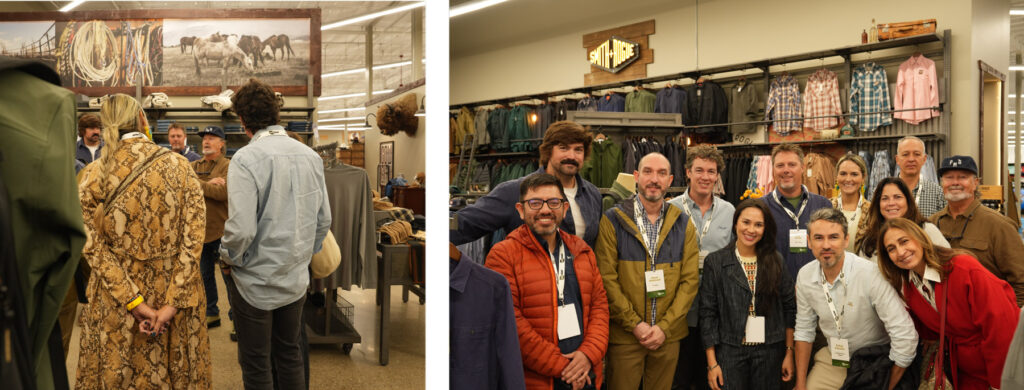
The delegation visited a local North 40 store, met with the purchasing and design team, and explored opportunities to incorporate more Montana-grown hemp fiber into future apparel collections serving their strong customer base of farmers, ranchers, and outdoor enthusiasts.
From the Montana hemp field to international textile manufacturers and ultimately back to the retail clothing rack. That’s the kind of supply chain we’re working to build, and a great example of how these market development investments can benefit more than just one business.
Throughout the visit, conversations covered everything from high-end apparel and durable workwear to home textiles, with particular interest in traceability, sustainability, and connecting finished products back to the American farmers growing the raw materials.
Following their time in Montana, the delegation traveled to New York City, where they visited the Fashion Institute of Technology and attended the NIHC Global Hemp Fiber Summit, expanding their connections across the American textile industry.
Following a Proven Agricultural Playbook
Reverse Trade Missions aren’t a new concept in agriculture. Established commodities like cotton have used international buyer tours, trade missions, and promotional programs for decades to connect American growers with manufacturers and brands around the world.
We’re encouraged to see the American hemp industry leveraging many of these same tools, including commodity checkoff funds and federal agricultural export promotion programs.
And the potential for collaboration extends beyond hemp alone.
One of the opportunities we’re particularly excited about is finding ways for hemp and cotton to complement one another. Hemp-cotton blends could introduce American-grown hemp into established textile supply chains while creating new products and potentially additional demand for cotton.
Rather than competing with established agricultural commodities, we see opportunities to compliment these known products and hopefully expand markets for American-grown natural fibers.
Building Relationships That Last
This Reverse Trade Mission is another important step in building a commercial supply chain for American-grown hemp.
There’s still work ahead, from technical trials and product development to connecting manufacturers with brands and ultimately securing ongoing commercial demand.
But our team thoroughly enjoyed the kindness, enthusiasm, and curiosity of our Colombian guests. We learned a great deal from their experience and are confident these relationships will lead to more success stories worth sharing.
We’re grateful to HEMI, NIHC, the Montana Department of Agriculture, USDA FAS, Merkato Agribusiness Intelligence, North 40 Outfitters, and the many partners who helped make this opportunity possible.