
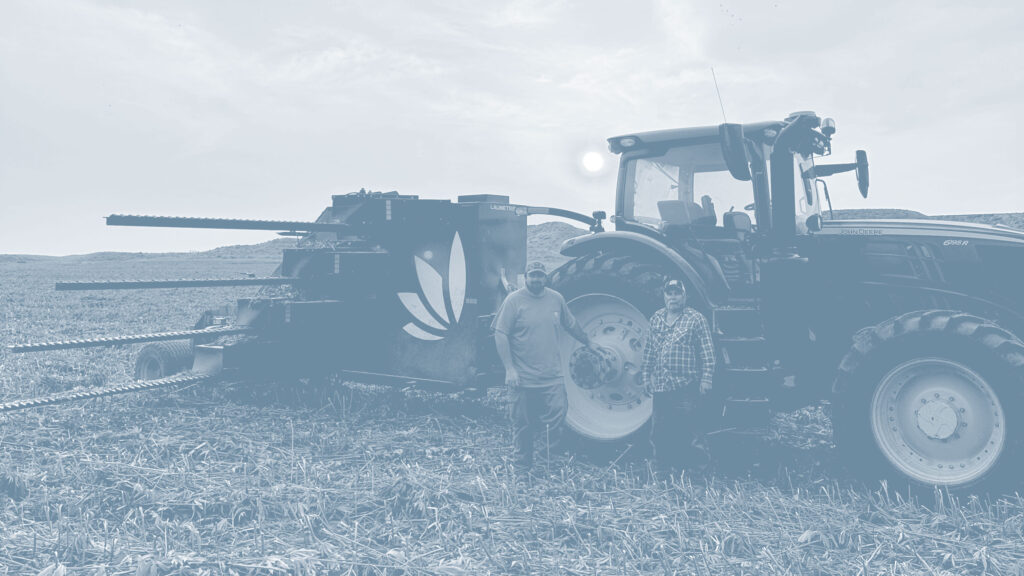
Last week in Fort Benton, Montana, (Thursday, March 26th, 2026) IND HEMP convened a multistakeholder consultation to formally initiate the next phase of its Soil Organic Carbon (SOC) project under the Verra Verified Carbon Standard (VCS) framework. This meeting was not simply informational—it was a critical milestone in ensuring the project is designed, implemented, and ultimately verified to the highest standards of scientific rigor, transparency, and auditability.
Context for the Meeting
Under Verra’s VM0042 methodology, stakeholder consultation is a required and foundational step inproject development. It ensures that:
- • Project design incorporates local knowledge and practical realities
- • Risks, concerns, and opportunities are surfaced early
- • Documentation meets validation and verification body (VVB) expectations
- • The project is structured to withstand third-party audit scrutiny
This consultation directly supports IND HEMP’s commitment to building an audit-proof, high-integrity carbon program from day one.
As outlined in the session, stakeholder feedback will be formally recorded, reviewed, and integrated into project documentation as part of the Verra process.
The IND HEMP SOC Project:
A Systems Approach
At its core, the IND HEMP SOC project is designed to demonstrate that integrating industrial hemp into traditional crop rotations can materially increase soil organic carbon over time. It is also ensuring that carbon, one key indicator of soil health, is not looked at as an isolated variable. The system and how it works together for a greater outcome, is truly what matters.
The project operates across working agricultural lands in Montana and is structured as a grouped project under VM0042, utilizing a Measure & Model approach combining:
- • Field-based soil sampling
- • Remote sensing and geospatial data
- • Process-based modeling (RothC)
- • Long-term monitoring and recalibration cycles
Key Design Elements
Crop Rotation Innovation
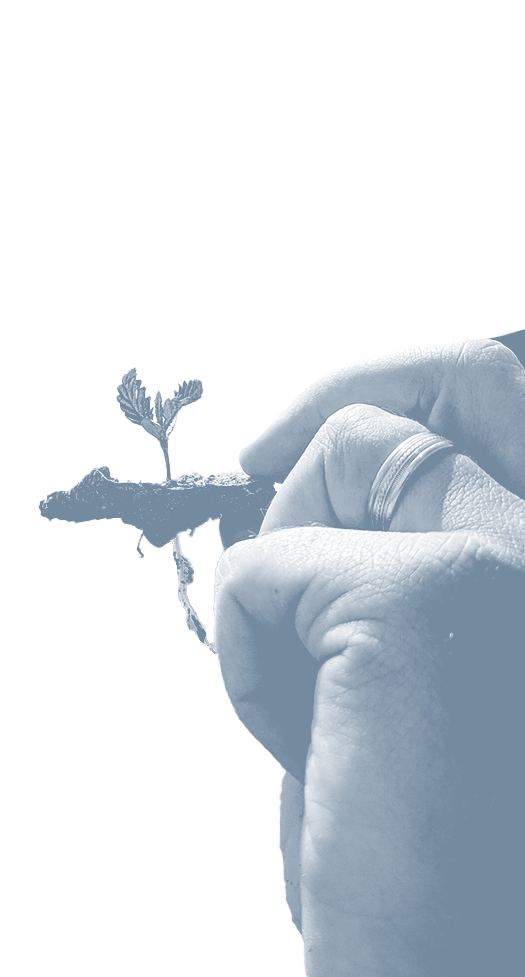
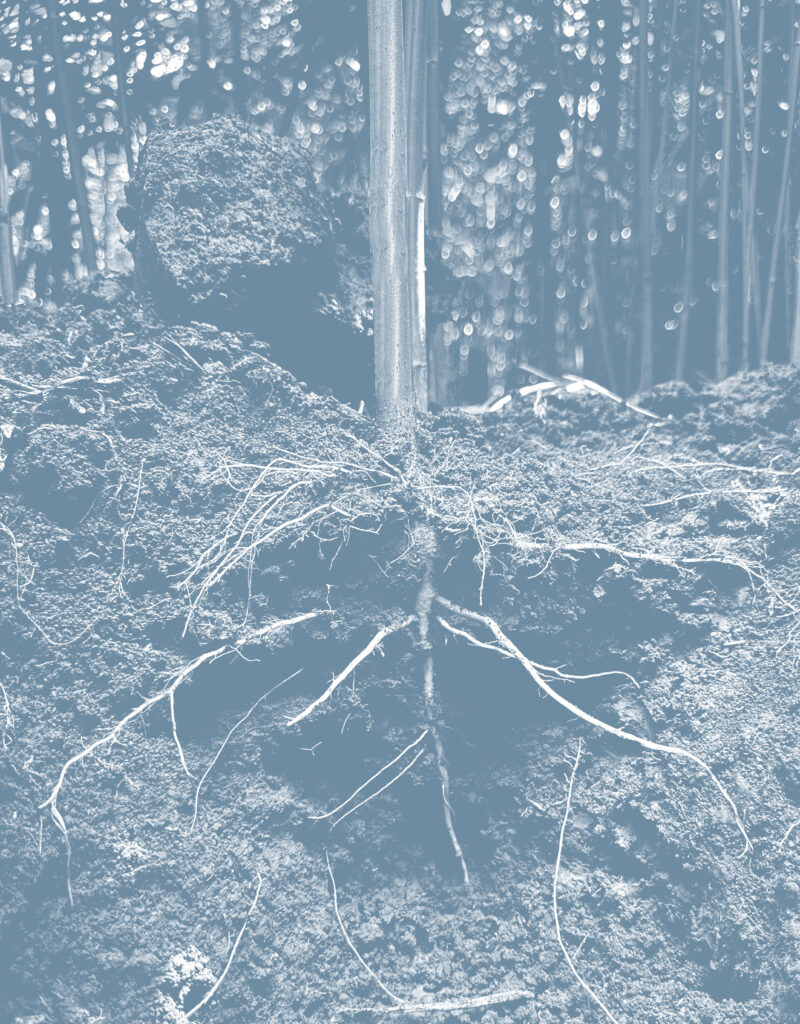
Hemp is introduced into conventional rotations (wheat, barley, canola, etc.) to enhance biomass input and root-driven carbon deposition.
Quantified Soil Outcomes
Unlike traditional regenerative claims, SOC changes are measured, modeled, and verified over time, not assumed.
MRV Infrastructure (Measurement, Reporting, Verification)
A 40-year monitoring framework integrates soil sampling, satellite data, and model calibration to ensure long-term credibility.
Farmer-Centric Implementation
Producers remain at the center—supported with agronomic guidance, data systems, and participation frameworks.
Why Soil Organic Carbon is Important
Soil organic carbon is more than a climate metric—it is a leading indicator of system performance.
As discussed during the consultation, increasing SOC can:
- • Improve soil structure and reduce compaction
- • Enhance water retention under variable conditions
- • Strengthen nutrient cycling and biological activity
- • Increase long-term productivity and resilience
From a carbon market perspective, SOC represents a quantifiable removal pathway, where:
- • Carbon is stored in soils through improved practices
- • Changes are measured over time
- • Verified increases are issued as carbon credits
Project Scale and Technical Potential
The IND HEMP SOC project is designed for long-term scale and impact:
- • 40-year crediting period under Verra
- • Grouped project structure enabling expansion across farms
- • Modeled average sequestration potential:
- • ~0.74–1.8 tCO₂e per acre per year (current project range)
- • Projected cumulative removals exceeding 1.9 million tCO₂e over the crediting period
Importantly, the program is built on a principle of conservativeness and verification-first design, ensuring that issued credits reflect real, measurable outcomes.
The Stakeholder Room: Who Was at the Table
The Fort Benton consultation brought together a diverse and strategically aligned group of stakeholders, including:
Farmers and landowners participating in the program
Regional economic and business development organizations
Academic and technical partners
Industry stakeholders across agriculture and sustainability
This cross-section is critical. High-integrity carbon projects do not operate in isolation—they require alignment across production, science, policy, and market ecosystems.
Key Themes from the Discussion
Several consistent themes emerged during the consultation:
1. Variability and Time Horizon
Stakeholders acknowledged that:
- • Soil response varies by field, soil type, and management
- • Carbon accumulation is a multi-year process, not immediate
Response: IND HEMP is implementing structured sampling and long-term monitoring to capture real trends over time.
2. Practical Adoption of New Practices
Transitioning practices requires:
- • Operational flexibility
- • Clear guidance
- • Ongoing support
Response: The program includes farmer onboarding, SOPs, and continuous engagement to ensure successful adoption.
3. Data Transparency and Requirements
Participants emphasized the importance of:
- • Clear expectations around data collection
- • Practical workflows for farmers
Response: IND HEMP is designing MRV systems to balance scientific rigor with on-farm practicality, supported by experienced technical partners.
From Consultation to Implementation
This stakeholder meeting marks a transition point:
From:
- • Project design and modeling
To:
- • Field-level implementation
- • Baseline soil sampling
- • MRV system deployment
- • Validation preparation
As outlined internally, the next phase includes:
- • Finalizing farm enrollment and eligibility datasets
- • Executing baseline soil sampling campaigns
- • Building audit-ready data infrastructure
- • Advancing toward Verra validation and registry listing
A Broader Vision: Beyond Carbon
While carbon credit generation is a key outcome, the long-term vision is broader.
IND HEMP is building a system that:
- • Enhances soil health and agricultural resilience
- • Creates diversified revenue streams for producers
- • Supports rural economic development
- • Establishes a scalable model for nature-based solutions
This is not a single project—it is the foundation of a multi-pathway carbon and agricultural system.

Overall Perspective
The Fort Benton stakeholder consultation was a clear signal of intent:
IND HEMP is not pursuing carbon as a speculative opportunity—it is building a data-driven, farmerintegrated, scientifically validated platform for long-term soil and carbon value creation. By anchoring the program in transparency, stakeholder engagement, and rigorous methodology from the outset, IND HEMP is positioning itself—and its partners—to deliver carbon outcomes that are not only measurable, but trusted.